Rail Car Movers

Railcar Movers for Industrial Rail Operations

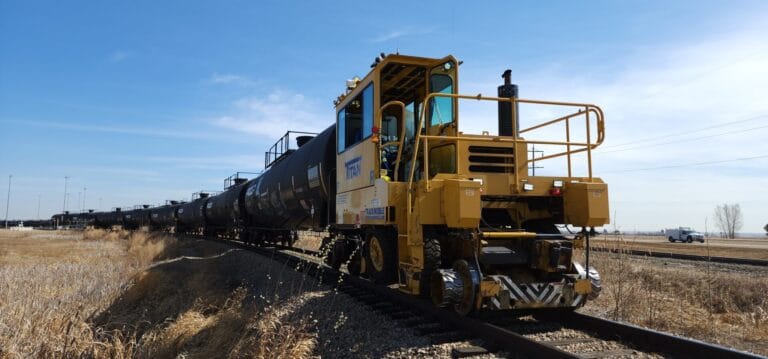
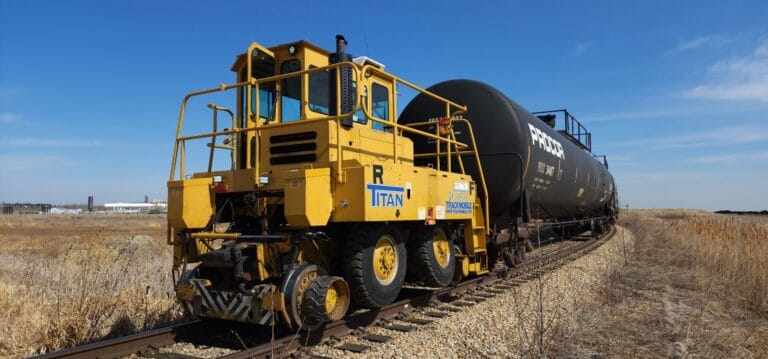
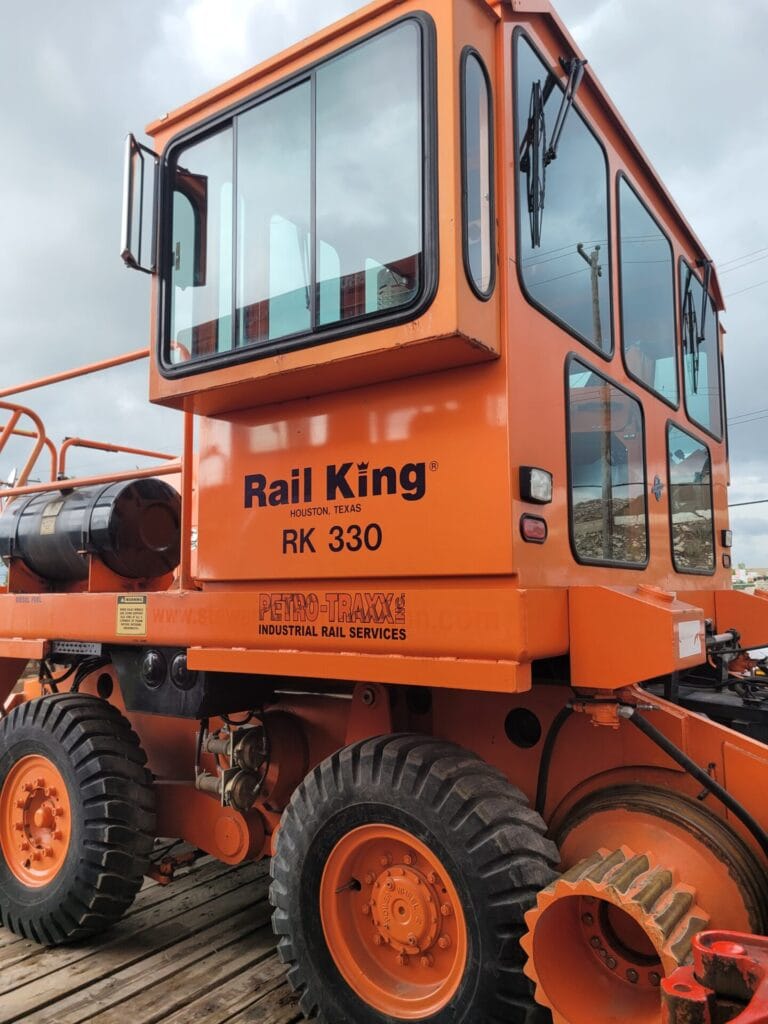
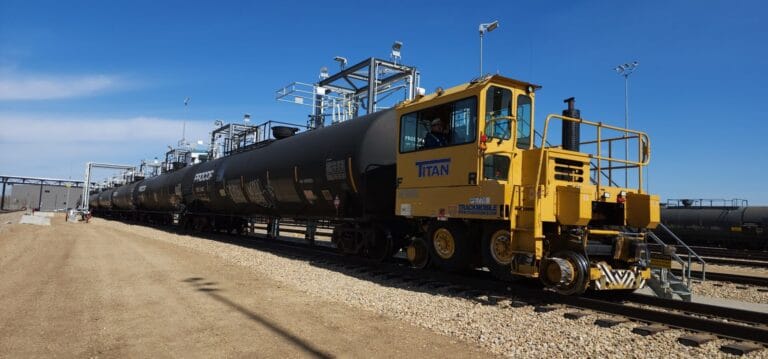
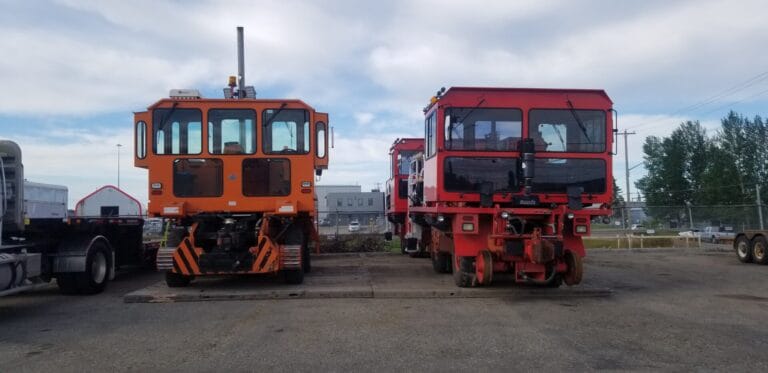
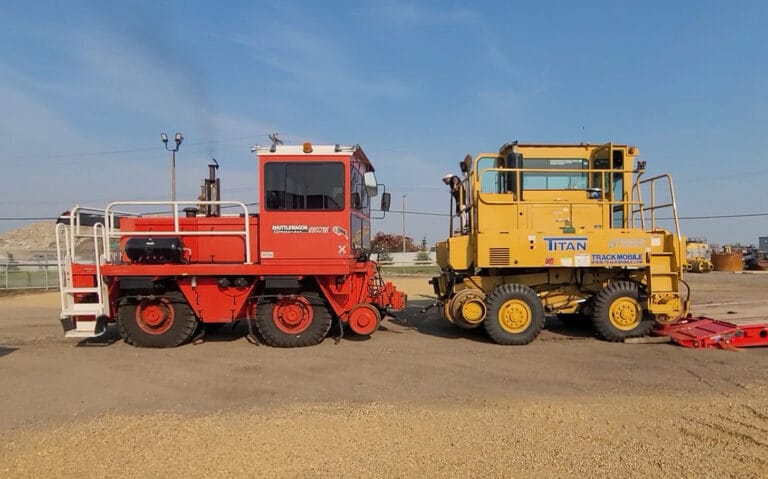
Railcar movers (Trackmobiles, Shuttlewagons, Rail Kings, etc.) are purpose-built machines that allow industrial facilities to move railcars within their site without relying on a mainline railroad locomotive or crew. For operations such as mills, terminals, refineries, grain elevators, and transload facilities, railcar movers provide significant operational and financial advantages.

Operational Independence

Railcar movers allow facilities to control their own switching operations rather than waiting for mainline railroad crews.

This allows sites to:

  • Spot railcars immediately at loading or unloading points
  • Eliminate delays waiting for railroad switching crews
  • Improve coordination with production schedules
  • Speed up inbound and outbound shipments

For many facilities, this can remove hours – or even days – of operational delays.

Lower Operating Costs

Railcar movers are significantly more cost-effective than using locomotives or contracting switching services.

Benefits include:

  • Lower fuel consumption
  • No need for a full locomotive crew
  • Reduced switching fees from the railroad
  • Lower capital cost compared to a locomotive

Many facilities recover their investment quickly through avoiding switching charges and improved logistics efficiency.

Versatility in Industrial Environments

Railcar movers are designed to operate on both rail and pavement, making them highly flexible for industrial sites.

Operators can:

  • Move between tracks without turnouts
  • Access multiple spurs or buildings easily
  • Work in tight industrial spaces where locomotives may struggle

They also allow precise positioning of railcars and can operate on lighter or uneven industrial tracks.

Improved Safety

Railcar movers are specifically designed for safe industrial switching operations.

Safety features often include:

  • Excellent operator visibility
  • Controlled low-speed movement
  • Integrated railcar air braking systems
  • Optional remote-control operation

These features help reduce coupling incidents, uncontrolled railcar movement, and employee exposure around moving rail equipment.

Higher Productivity

Modern railcar movers can move significant numbers of railcars depending on track conditions and grade.

Typical capabilities include:

  • 10–15 loaded cars for smaller units
  • 20–30 cars for mid-range machines
  • Up to ~40 cars for heavy units

This allows a single operator to efficiently break up inbound trains, build outbound trains, and reposition cars during loading cycles.

Faster Railcar Turnaround

Railroads closely monitor how long railcars remain on site. Delays in loading or unloading can lead to demurrage charges and missed switching windows.

Railcar movers help facilities:

  • Unload and load railcars faster
  • Return empty cars sooner
  • Reduce the risk of demurrage fees
  • Keep supply chains moving efficiently

Railcar movers can scale with a facility’s growth.

Scalable for Growing Operations

Railcar movers can scale with a facility’s growth.

Typical progression includes:

  • Smaller facilities: 27,000–30,000 lbs tractive effort
  • Mid-size facilities: 30,000–40,000 lbs
  • Large industrial terminals: 40,000–60,000 lbs

This allows companies to expand rail operations without major infrastructure changes.